

Good motorcycle mileage does not depend on the engine alone. Your daily riding habits and maintenance routine also affect fuel use. Traffic, tyre pressure, vehicle weight and regular servicing can change how much fuel your motorcycle consumes.
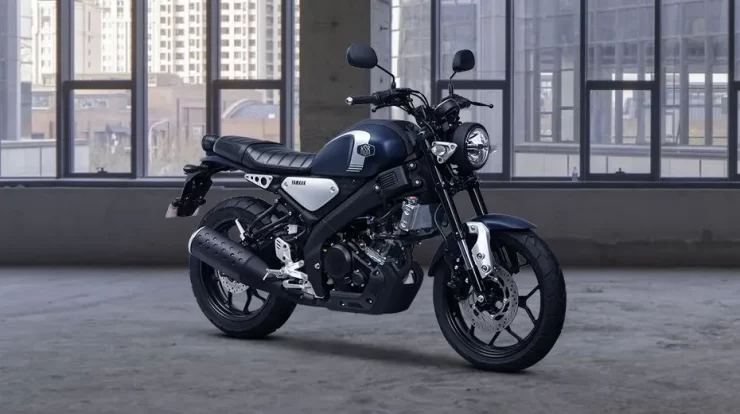
For example, the Yamaha XSR 155 has a 155cc liquid-cooled, four-valve engine with fuel injection and Variable Valve Actuation. However, factors such as riding conditions and regular maintenance also influence how efficiently the motorcycle uses fuel.
Factors that Influence Motorcycle Mileage
1. Daily Riding Conditions
The roads you ride on can noticeably affect fuel consumption. Traffic congestion normally involves frequent stops, slow movement and repeated acceleration.
City rides usually involve more stopping and starting than open roads. Meanwhile, steady speeds on clearer roads generally involve fewer changes in acceleration.
Road surfaces also matter. Rough roads, steep slopes and strong winds can make the engine work harder. As a result, the motorcycle may consume more fuel during such journeys.
2. Tyre Pressure
Tyre pressure affects how easily your motorcycle moves along the road. When the tyres have low pressure, they create more resistance while moving.
That added resistance makes the engine work harder, which can increase fuel consumption. Tyre pressure can also drop gradually through normal air loss.
Keeping the tyres at the manufacturer-recommended pressure reduces unnecessary rolling resistance. It also supports proper handling and tyre performance.
3. Engine Maintenance
A well-maintained engine generally runs more smoothly. Issues with parts such as the air filter, spark plug or fuel system may affect fuel consumption.
Regular servicing allows these components to remain in proper working condition. As a result, the engine can continue operating as intended.
For example, the Yamaha XSR 155 uses a 155cc liquid-cooled, fuel-injected engine. Regular maintenance keeps key engine components working as intended, supporting consistent performance and fuel use.
4. Vehicle Load
The weight your motorcycle carries also affects its fuel consumption. Since extra luggage increases the weight, the engine has to move a heavier load.
The effect is more obvious when you accelerate or go uphill, since the engine has to work harder to move the extra weight.
Keeping unnecessary luggage off the motorcycle avoids adding extra weight to the engine’s workload. However, the motorcycle should always carry loads within the limits specified by the manufacturer.
5. Motorcycle Age and Wear
A motorcycle’s condition can change as it gets older. Parts such as the chain, tyres, brakes and other components experience normal wear through regular use.
As these parts wear, they can affect how smoothly the motorcycle operates and, in some cases, influence fuel consumption.
Just because a motorcycle is older doesn’t mean it has less mileage; the motorcycle’s condition and maintenance history have a greater effect on its efficiency.
How to Maintain Consistent Mileage
Several everyday checks can help you understand and manage changes in fuel consumption:
- Check tyre pressure regularly
- Follow the service schedule
- Avoid unnecessary luggage
- Ride smoothly
- Track your fuel consumption
Conclusion
Motorcycle mileage can change with everyday riding conditions, tyre pressure, maintenance, load and component wear. Looking at these factors together gives you a clearer idea of why fuel consumption may vary between different journeys.
For Yamaha XSR 155 riders, keeping the motorcycle properly maintained and adapting riding habits to road conditions can support more consistent fuel consumption.