

Image Credit: wikimedia.org
How to Stay Dry on the Annapurna Base Camp Trek: Rain & Snow Prep
Trek to Annapurna Base Camp (ABC) is the final trek in which you may get to look stunning Himalaya landscape of Annapurna Base and the valley on the side of the dominant traditional villages. But weather inside the location can be temperamental, in particular in monsoon season (June to September) and the cooler months, which carry heavy snowfall. Whether you’re trekking in monsoon season or making ready for snow in the winter. s. A well, staying dry is essential to your fitness.
These days, in this publish, we’re going to speak about the way to prepare for the rain and snow at some stage in your trek to Annapurna Base Camp. And with the proper gear, strategies, and facts, you could live dry and enjoy your trek to the fullest, regardless of what the climate has in mind.
The Weather for the ABC Trek
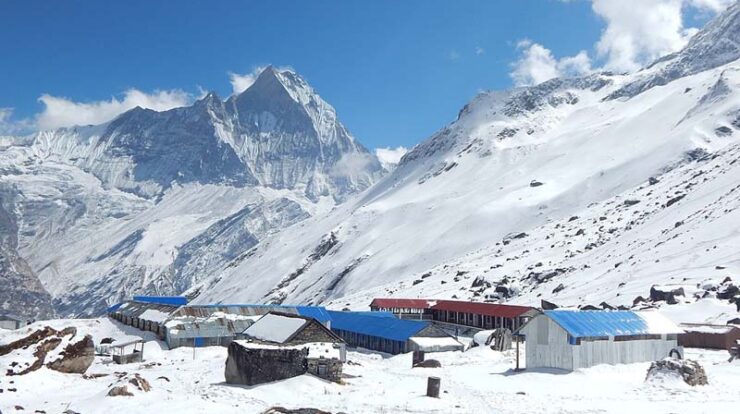
Weather in the Annapurna region – In A Nutshell Month of the year and your altitude determine the extent of what you can expect in terms of weather in the Annapurna. Heavy rainy days at the treks, slush/dust slides, and a wetness in the whole thing are a monsoon highlight, in particular underneath 2500m; whereas better up, at some stage in the winter (December to February), trails are snow-covered at higher elevations, mainly at the Annapurna Base Camp at four, a hundred thirty meters.
What You Need to Know:
Monsoon season (June to September): masses of rain, in particular in the lower altitudes. The drier up top, the wetter down below, although what remains of the monsoon still punches through outstanding moist stretches of the pathway.
Wintry weather (December to February): There is a better opportunity of snow, particularly at higher altitudes. Ice and rain are creating dangerous and slick circumstances.
Get prepared for each, and you may be extra relaxed and safer while you’re on the road.
Invest in High-Quality Waterproof Clothing
Stay Dry: want to ensure you live dry even as on the Annapurna Base Camp Trek? —Andes gear wishes you to stay dry in your snow garments! If Janus or Jack Frost and their ilk are visiting you these dark days, a protective shell is in order, both to keep you dry when the rain and snow fall, but also to help manage your body temperature by trapping heat and releasing moisture.
Key Items to Focus On:
Waterproof Jacket (Rain Jacket): It must have been the most important item for a trek. Look for a breathable material like Gore-Tex or an equal, so that the rain remains out and sweat can get out. Pick out a jacket that has all 3: a hood, cuffs you can modify, and a manner to hold you from overheating. You’ll additionally need to have some water-resistant trekking pants. It needs to be mild in weight, breathable, and 1100 percent water-proof, permitting you to stay dry even as trekking in rain or snow. Make sure the pants are properly constructed for movement when you consider that you’re going to want them to be bendy whilst you’re out on the trekking stints.
Waterproof gloves: Featuring soaked gloves as one of the top heavy hitters for water and cold, purchase a couple of water-resistant gloves that permit decent dexterity, especially in case you’ll be touching equipment or taking images. If it’s truly cold, you would possibly wear some liner gloves to put on below.
Shoes that maintain The Water Out -The proper shoes can also make the difference between a soggy trek and a dry journey. Bear in mind waterproof trekking boots or gaiters to keep the water off your toes. Gaiters can be applied when you are hiking on muddy trails on days when it’s wet or snowy, keeping the mud and water off your lower leg and boots.
Clothing Layers And Insulated Layer Wet & Cold Weather
While you’re walking in the rain or snow, staying dry is half the struggle, as it’s also essential to maintain heat. Bloodless and rain can cause hypothermia if you are not prepared. The name of the game for staying warm is layering up.
How to Dress for Wet & Cold:
Base Layer: Make sure your first layer is moisture-wicking, weaveweight merino wool or synthetics. This is going to help pull the sweat off your skin, keeping you dry and warm. Avoid cotton since it retains moisture and may cause chafing.
Middle layer – It’s the middle that should keep you insulated. For getting a little wet, a fleece or down jacket will keep you warm. The insulating down provides dependable shelter from the cold, and while light and compressible, it’s always good to have a waterproof layer above if the weather gets soggy.
Outer Layer You already know what your outer layer is (don’t you?), your waterproof jacket and pants. Those layers are a huge part of what keeps the rain and snow out, but also breathable enough to prevent you from sweating too much.
Hat and Buff: You may have a waterproof hat to keep the rain or snow out of your eyes, and a Buff or neck scarf to keep your neck warm and dry.
Use Dry Sacks and Waterproof Bags
Nothing makes you need to get out of the rain (or lake) and back into your tent like being soaking wet while your snoozing bag and clean clothes look ahead to you. Hiking in the snow or wet conditions can drench your gear so badly that it’s unusable, or even dangerous. Line your pack and clothing with dry bags and a pack liner.
How to Protect Your Gear:
Waterproof Pack Cover: Do you need a rain cover for your daypack or large backpack that’s, you know, Waterproof? These user-friendly covers can be slung over your bag for an extra barrier between them and the elements.
Dry Sacks Dry sacks are excellent for keeping clothes, electronics, and bedding separate. These are hermetically sealed, Waterproof, and secure. Not a cheap toggle closure and is velcro, the inside, that can make you all that is inside, while Dry let, whenever it is you get ever blown leak!
Plastic Bags. In a pinch, plastic bags are your cheap route to protecting little items. I line the inside of my backpack with them, especially for electronics and important papers.
Knowing When to Hunker Down and Recharge
It could be all the rad stuff in the world, and it would 100 percent still rain or snow a little too much. That’s when it’s time to break off and take cover.” In horrific conditions, pushing yourself to keep going can just make you tired, provide you with frostbite, or in any other case, punish your body.
How to Stay Safe in Wet or Snowy Conditions:
Keep a watch on the climate: Scout conditions and if the weather turns around once more, don’t forget to change plans for the day to jump on a trek. If it starts to fall in earnest, hurry on up to the next teahouse or village and spend a break in it, as it will quite likely pass.
Don’t Be Afraid to Take a Break: Take regular breaks during a hike to warm up and make sure your gear is shipshape if you feel wet or cold. Use them to add a dry layer, rehydrate, and check to make sure your gear is still working.
Shelter residents should be informed about the nearest shelters when weather conditions threaten their safety. In extreme weather, there are small shelters in some villages on the Annapurna Base Camp trail. Or you can tap out early to one of numerous access points or take refuge if the weather rolls in.
Conclusion
ABC Trek can also be a wonderful experience, but if you walk into bad weather, it can spoil a walk that should be hassle-free and a joy. If you also invest a bit in good waterproof gear– and always remember, there are no such things as bad weather, but bad gear – and you layer well, take care with your dry sacks it does not even matter what Mother Nature decides to serve up: you won’t have to worry about soaked clothes or gear when you’re hiking.
And don’t forget: Staying dry is a safety matter, not just a comfort issue. Cold and damp become lethal in hypothermia danger, so do your best to cover up. You’ll be most prepared for the weather, and able to enjoy all the beauty that the Annapurna Region has to offer—whatever the weather!