


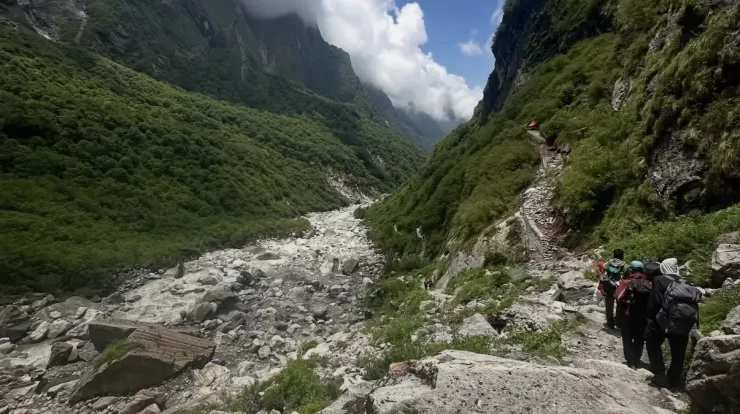
The Annapurna Base Camp Trek is one of Nepal’s most popular Himalayan adventures, offering dramatic mountain views, diverse landscapes, and rich cultural experiences. However, heavy rainfall can create challenges along the ABC trekking route, especially during the monsoon season and periods of unstable weather. Rain can affect trail conditions, transportation access, river levels, and walking comfort. Understanding where to adjust the Annapurna Base Camp itinerary during heavy rainfall helps trekkers make safer decisions while continuing to enjoy the journey. Flexible planning becomes essential when dealing with changing Himalayan weather conditions.
Adjusting Plans Around Pokhara Before Starting the Trek
Pokhara is the ideal location for making early itinerary adjustments before beginning the ABC Trek. When heavy rainfall is forecast, trekkers can monitor weather updates, communicate with guides, and decide whether to delay departure. Starting the trek during severe rainfall can increase the chances of encountering muddy trails, landslides, and transportation difficulties. Spending an extra day in Pokhara allows travelers to begin under safer conditions while enjoying the city’s lakeside atmosphere and preparation opportunities. A flexible start date often improves the overall trekking experience during unpredictable weather periods.
Managing Lower Trail Sections During Rainfall
The lower sections of the Annapurna Base Camp trekking route pass through green valleys, forests, and villages where rainfall can have a significant impact. Trails may become slippery, muddy, or affected by small landslides after continuous rain. Areas around trailheads and lower villages are usually the first places where weather disruptions appear. Trekkers should consider shorter walking days during heavy rainfall and avoid rushing through difficult sections. Adjusting overnight stops in lower villages allows travelers to monitor conditions while maintaining a safer and more comfortable trekking pace.
Using Ghandruk as a Flexible Itinerary Adjustment Point
Ghandruk is one of the most practical villages for adjusting an Annapurna Base Camp itinerary because it offers accommodation, cultural experiences, and access to different route options. During heavy rainfall, trekkers can choose to rest, explore the village, or wait for improving weather before continuing. The village provides excellent views of the Annapurna and Machhapuchhre ranges when conditions clear. Spending additional time in Ghandruk does not reduce the trekking experience because it offers valuable cultural interaction and scenic exploration. It can serve as a comfortable adjustment point during uncertain weather.
Modifying the Route Around Chhomrong Area
Chhomrong is another important location where trekkers can adjust plans during heavy rainfall on the ABC trekking route. As a major settlement before entering the Annapurna Sanctuary area, it provides accommodation and essential facilities. If rainfall becomes intense, trekkers may choose to rest in Chhomrong rather than continuing toward higher and more remote sections. The area also allows travelers to evaluate trail conditions before moving deeper into the mountain region. Since higher sections have fewer resources, making careful decisions around Chhomrong can improve safety and reduce unnecessary challenges.
Delaying Higher Altitude Sections Near Bamboo and Deurali
The sections beyond Chhomrong toward Bamboo, Dovan, and Deurali require extra attention during heavy rainfall. These areas include forest trails, steep paths, and sections where water flow can increase quickly after rain. Continuing during unsafe conditions may create difficulties because rescue access and facilities become more limited at higher locations. Delaying progress in lower villages allows trekkers to avoid entering challenging sections during poor weather. A flexible Annapurna Base Camp itinerary should prioritize trail safety rather than maintaining a fixed schedule during extreme rainfall.
Considering Alternative Trekking Durations
Heavy rainfall may require extending the Annapurna Base Camp Trek duration. Adding extra days provides flexibility for waiting periods, slower walking, and unexpected weather interruptions. Instead of following a strict schedule, trekkers can create a more adaptable plan that includes recovery time. Longer itineraries also allow better enjoyment of villages, viewpoints, and natural surroundings when weather improves. A flexible approach is especially useful during monsoon trekking because rainfall patterns can change quickly from day to day.
Preparing for Rain-Related Trail Conditions
Proper preparation helps trekkers handle rainfall challenges more effectively on the Annapurna Base Camp route. Waterproof clothing, suitable trekking shoes, backpack protection, and quick-drying layers become essential during wet conditions. Trekking poles provide additional stability on slippery paths, while careful walking reduces the risk of falls. Maintaining awareness of changing trail conditions allows travelers to make better decisions throughout the journey. Good preparation does not eliminate rainfall challenges but makes them easier to manage.
Working With Local Guides During Weather Disruptions
Local guides provide valuable support when heavy rainfall affects the Annapurna Base Camp Trek. Their knowledge of trail conditions, weather patterns, village facilities, and alternative options helps trekkers make informed choices. Guides can identify risky sections, recommend suitable stopping points, and adjust the itinerary according to current conditions. Their experience with Himalayan environments is particularly useful during monsoon periods when conditions can change rapidly. Local guidance improves confidence and helps travelers continue safely.
Final Thoughts on Rainfall Adjustments on ABC Route
Heavy rainfall can affect the Annapurna Base Camp Trek, but proper itinerary adjustments allow trekkers to manage challenges effectively. Locations such as Pokhara, Ghandruk, Chhomrong, and lower trail villages provide valuable opportunities for waiting, resting, and changing plans. Flexible scheduling, suitable equipment, and local guidance are essential for handling unpredictable Himalayan weather. The ABC trekking route remains a spectacular adventure even during changing conditions, and careful planning ensures travelers can experience its mountain landscapes, villages, and cultural beauty safely.